
Feelings Aren't Fluffy. They're Your Business Results.
Sep 30, 2026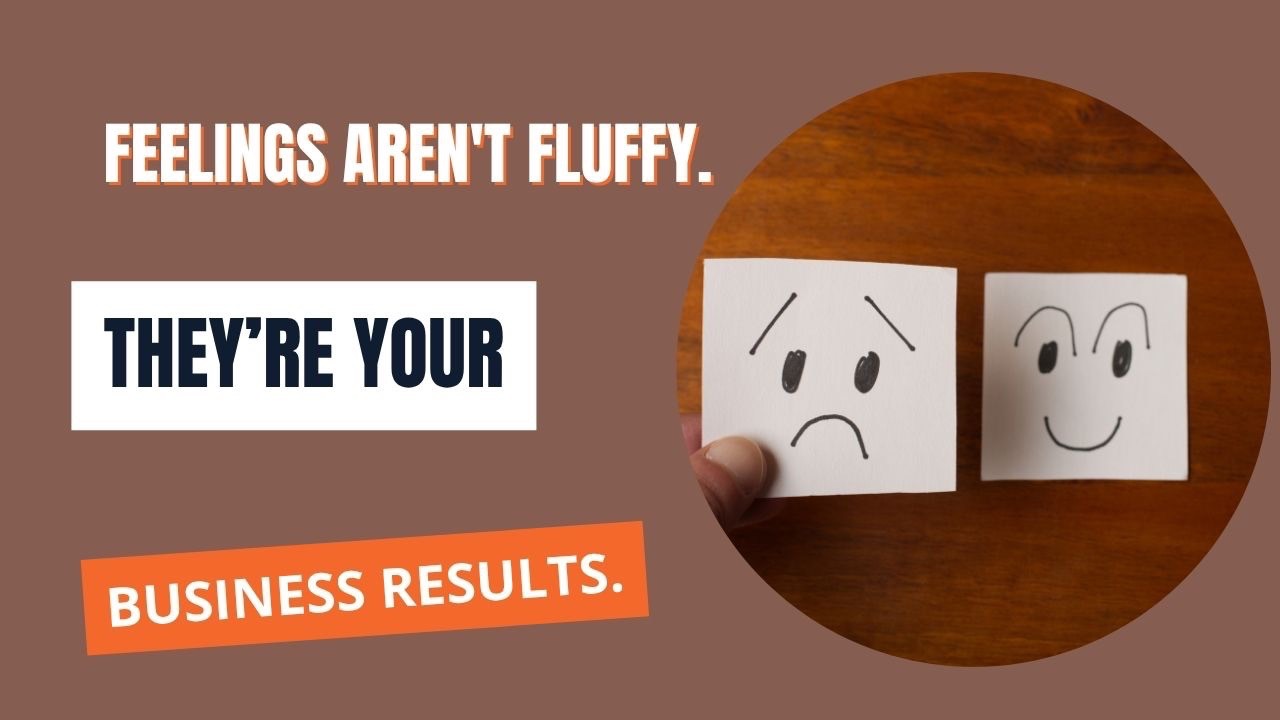
I used to think psychological safety was a bit of a fluffy concept. If I'm honest, I thought it was a little too woke. That was my judgement creeping in.
Then I looked back at two very different workplaces I've worked in. The contrast taught me more about performance than any KPI dashboard.
Two workplaces, two versions of me
In my first role after graduating, I felt I belonged. I felt privileged to be there. Those feelings sound soft. But they made our whole team give our best and go the extra mile.
I had years where I spent 200 nights in a hotel. I covered two full territories that were normally done by two people. A territory of six countries grew to fifteen. I lived out of a suitcase, and I did it with my whole heart.
In the second workplace, I didn't feel safe. I sensed things were happening behind my back. I didn't know what my boss wanted. A colleague I used to laugh with suddenly went quiet. My brain went straight into threat detection. Instead of looking after clients, I was trying to figure out what was going on.
Same person. Completely different output.
What happens in the brain
When people detect even the slightest threat, the reptilian brain fires up. We fall back into fight, flight or freeze. Some of us push back or fire off snippy emails. Others withdraw. Some do nothing at all.
I explain this with the brain elevator. It has three levels.
Level one is the reptilian brain. It scans for threat. If there's nothing to defend, it lets the elevator go up.
Level two is the limbic system. This is where trust, goodwill and rapport are built.
Level three is the neocortex. This is where creative thinking and problem-solving happen.
Here's what most organisations miss. The first two levels are emotional. Only the top one is logical. If you don't get the feelings right, forget about the logical outcomes. Change management, project delivery and profit all depend on the floors below.
Trust isn't one-size-fits-all
What builds trust with one person won't build it with another. Culture plays a part. So does personality.
Here's how trust is built with each DISC style:
- D styles trust you when you speak openly, ask directly and don't waste their time.
- I styles trust you when you connect on a human level first, have some fun, and back things up in writing afterwards.
- S styles trust you when you go slowly and surely, tackle their concerns and let them come on board in their own time.
- C styles trust you when you share every detail upfront, pros and cons included, and give them time to do their homework.
Flexibility is the leadership skill here.
The cost of getting it wrong
Look at that second organisation. Most of the people I worked with have moved on. The business shrank while others in the same industry grew. It was eventually sold at a loss.
When the feelings are wrong, everything else suffers too. It doesn't have to be that way.
Three questions for leaders
- How are you looking after yourself? You can't look after your team if you don't feel good inside.
- What's the environment in your leadership team? The fish rots from the head down. Politics at the top ripple through the whole business.
- How available are you to your people? How much are you listening, acting, and explaining when something can't be done?
And check your values. One of that second organisation's values was teamwork. Yet there were politics, withheld information and conversations behind people's backs. When leaders don't live the values, the values become meaningless.
After 22 years in business, I firmly believe leadership is a privilege. Whether you have the title or not, you still need to earn it. You can't expect people to give you their best unless you've given something first.
If your KPIs aren't working out, ask a different question. How are the feelings? If you'd like to explore what that looks like in your organisation, book a discovery call here.
