
Why You Are Still Wearing The Wrong Suit
May 20, 2026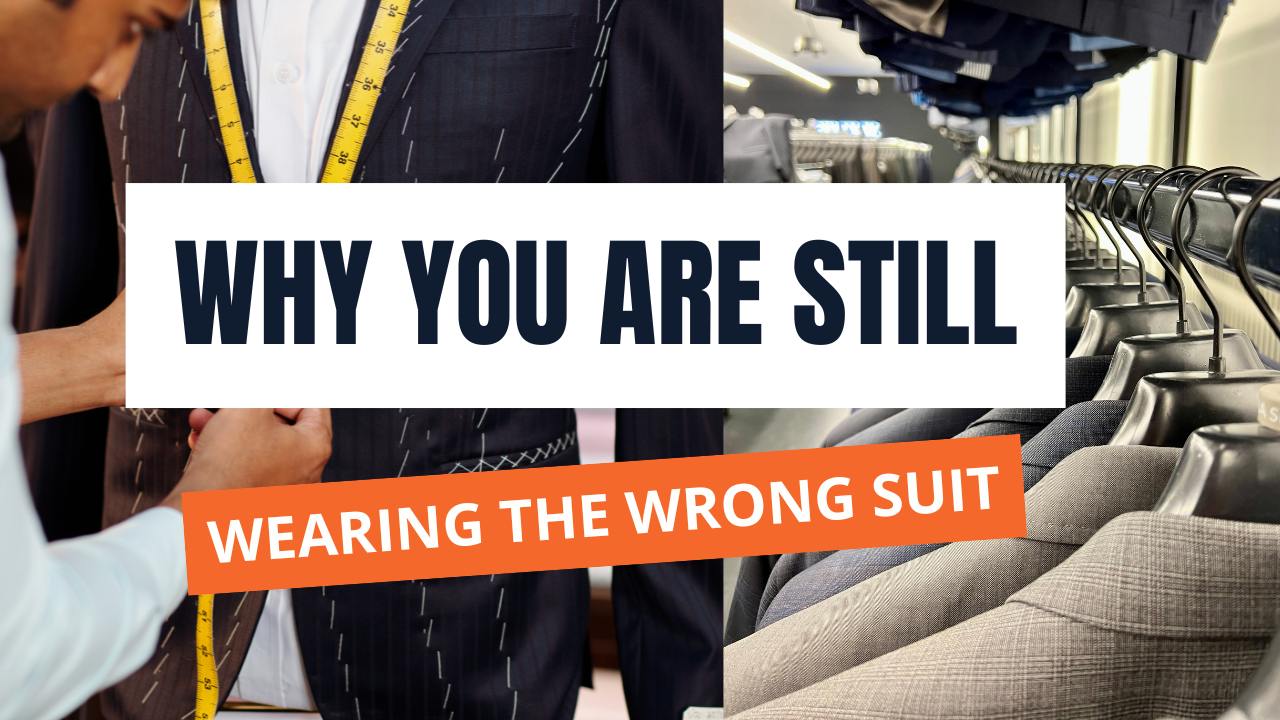
There's a question I ask in my podcast every now and then: would you rather wear an off-the-shelf suit, or one that was tailor-made for your body?
Most people say bespoke, obviously. But watch what those same people do the moment they walk into a meeting, a performance conversation, or a sales pitch. Off-the-shelf, every time.
Same message. Same approach. Same assumptions about what will land. And then genuine surprise when it doesn't.
People are predictable — and that's a gift
Here's the thing I keep coming back to after 15 years working with leaders and sales teams across 25 countries: people are not complicated. They are predictable. Their preferences, their triggers, their communication styles — all of it follows patterns.
A fast-paced, results-driven leader does not want a detailed walk through the process. They want the headline, the number, and a clear next step. Give them a 20-slide deck and you've lost them on slide three.
A methodical, quality-focused team member does not want to be rushed onto a new platform without understanding every step of the journey. Expect change fatigue if you skip that part — and I've heard it from commanders in the Army, not just corporate teams.
These aren't personality quirks. They're predictable behavioural patterns. And once you understand them, you can adapt your communication to fit the person you're actually talking to — not the hypothetical average person.
The golden rule is a trap
We were all taught the golden rule: treat people the way you want to be treated. It sounds generous. It sounds respectful. In practice, as a communication principle, it's a recipe for misalignment.
You're projecting your preferences onto someone else and calling it empathy. That's not tailored — that's still off-the-shelf.
The platinum rule — treat people the way they want to be treated — is where the real leverage is. And it starts with understanding who you're dealing with before you open your mouth.
Why this matters beyond 'soft skills'
I hear the word soft skills and I understand the instinct to dismiss it. But let me give you the hard version of this conversation.
When leaders don't communicate in ways that land, talented people leave — not because of the business, but because they didn't feel heard. That's a turnover cost. A recruitment cost. A knowledge cost.
When change isn't communicated in ways that build trust and clarity, adoption rates collapse. You've spent money on an ERP system, a new CRM, a restructure — and people are working around it six months later because nobody took the time to bring them along properly.
When salespeople pitch the same way to every buyer, they leave margin on the table. They lose deals they should have won. They create friction that didn't need to exist.
These are real costs. And they're all downstream of the same problem: communication that isn't tailored.
What tailored actually looks like
It starts before you open your mouth. It starts with knowing who you're walking into a conversation with — what drives them, what frustrates them, how they process information, what they need to feel confident in a decision.
When you have that, you can speak their language. Not in a manipulative sense — in a genuinely connecting sense. The kind of communication that makes people feel understood before they've had a chance to explain themselves.
That's the bespoke suit. It fits. It works. And once you've experienced it, you don't want to go back.
